In this post
- Why chatting with AI does not change a company
- What is the difference between a chatbot and an AI agent?
- The three layers of an operation that runs on agents
- What agents already do in production
- When an agent is not the answer
- How to put the first agent in production
- What changes for people
- Where to start
An AI agent is software that uses a language model to run a process from start to finish inside your company systems. It reads the data, picks the next step within rules you define, acts, and calls a person when a case falls outside the rules.
That is different from what most companies do with AI today, which is chat. Each person opens ChatGPT or Claude, pastes some text, asks for an answer and copies the result somewhere else. It works, and it helps. But the gain stays with the person who asked and disappears when the tab closes.
This post is about moving from one model to the other: from the one-off chat to work that runs by itself, with people in control. It describes how we build this at WeDevUP and what we have learned putting agents in production.
Why chatting with AI does not change a company
Because a chat is individual, keeps nothing and depends on someone remembering to start it. Those are three separate limits.
It is individual. What one person has learned to ask the AI never reaches the colleague at the next desk. Ten people solve the same problem ten ways, and none of them becomes how the company does it.
It keeps nothing. The chat does not know your customer, your contract or the rule finance changed last month. Every conversation starts from zero, and the person carries the context by copying and pasting.
Someone has to start it. Nothing happens until somebody opens the chat. The request that arrived at 11pm waits until morning.
Notion describes this diagnosis well in its guide A new shape for work: without a shared place where company knowledge lives, AI changes little. We agree with the diagnosis. Our answer comes from building custom software: in most companies the context already exists, spread across the ERP, the CRM, WhatsApp and spreadsheets. The job is to connect what is there, not to move everything into a new tool.
What is the difference between a chatbot and an AI agent?
A chatbot answers questions. An agent does work. Both use the same kind of model, and the difference is in everything built around it.
| Chatbot | AI agent | |
|---|---|---|
| Who starts it | A person, with a question | An event or a schedule |
| Where the data comes from | What the person pastes in | Your company systems, at that moment |
| What it delivers | Text | The work done in the system |
| What it remembers | That conversation | The company rules and history |
| Who checks | Whoever asked | A person, on the exceptions |
| What is logged | Nothing | Every action and every cost |
An agent is also different from traditional automation. Automation follows a fixed script and breaks when the email arrives in another format. An agent reads free text, documents and cases outside the pattern. When a task is fully predictable, plain automation is still the better choice.
The three layers of an operation that runs on agents
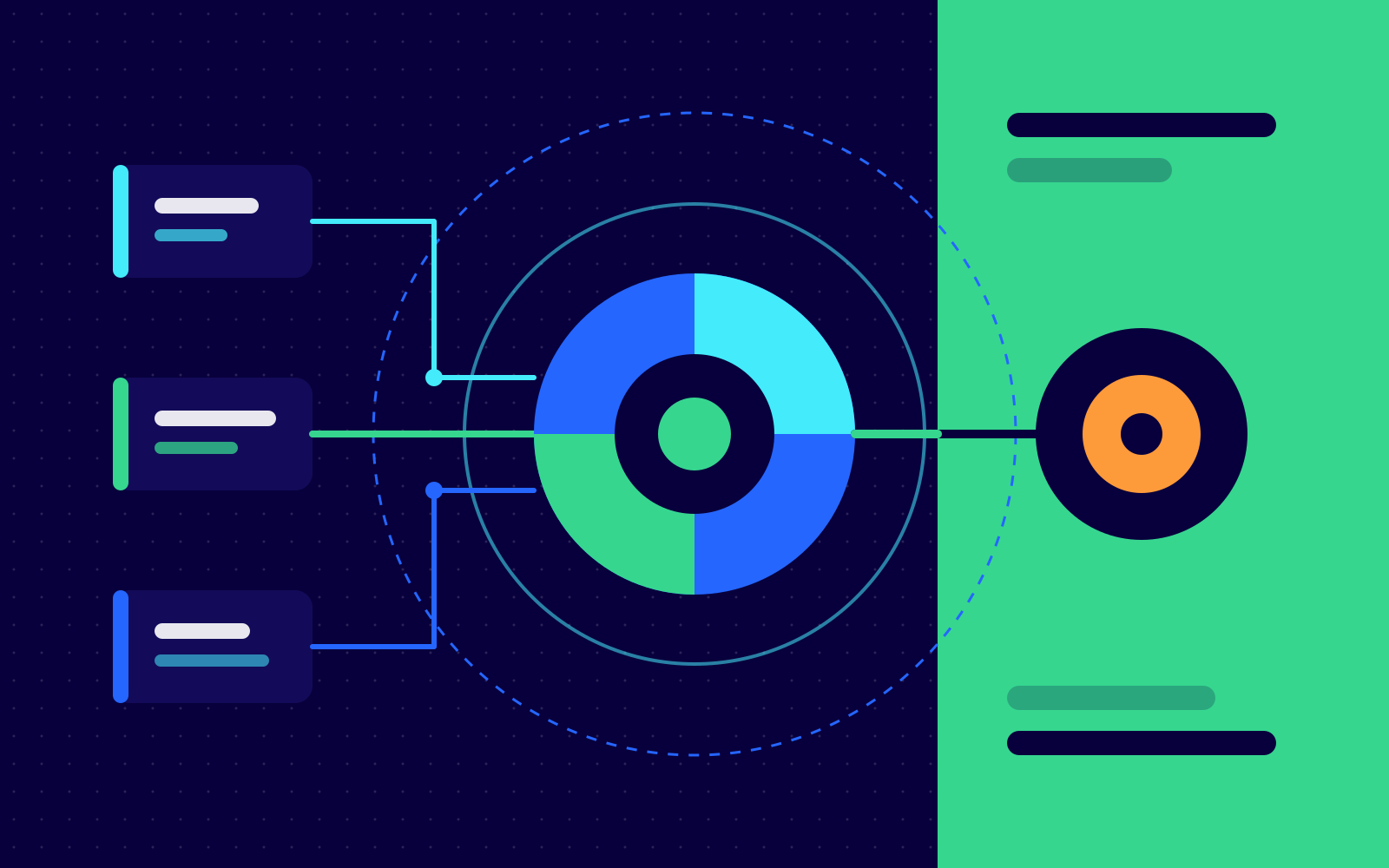
An operation that runs on agents has three layers, and the order matters: first the company context, then the processes, then the control.
1. Company context, connected
An agent is only useful if it knows how your company works. That means access to live data (the order, the contract, the balance), to the rules (who approves what, what the deadline is, which discount is allowed) and to permissions (what each agent may read and change).
This layer takes the most work and gets reused the most. Each system is connected once. After that, the second agent goes in faster than the first, and the third faster than the second.
2. Whole processes, not one-off prompts
The agent does not wait for someone to ask. It is triggered by an event (an email arrived, a payment came in, an exam was completed) or by a schedule (every day at 7am, every month-end close). And it does not stop at the answer: it carries out the next steps in your systems, from customer service to billing.
3. People in control, without becoming the bottleneck
If a person has to check everything, the gain disappears. If nobody checks anything, the risk is unacceptable. The way through is control by exception: the agent works within clear limits, and whatever is sensitive, rare or outside the pattern stops in a queue for someone to decide.
Logging comes with it. Every action the agent takes and every model cost is recorded, so you can answer later what was done, why and for how much.
What agents already do in production
Two examples from our own projects, with different levels of autonomy.
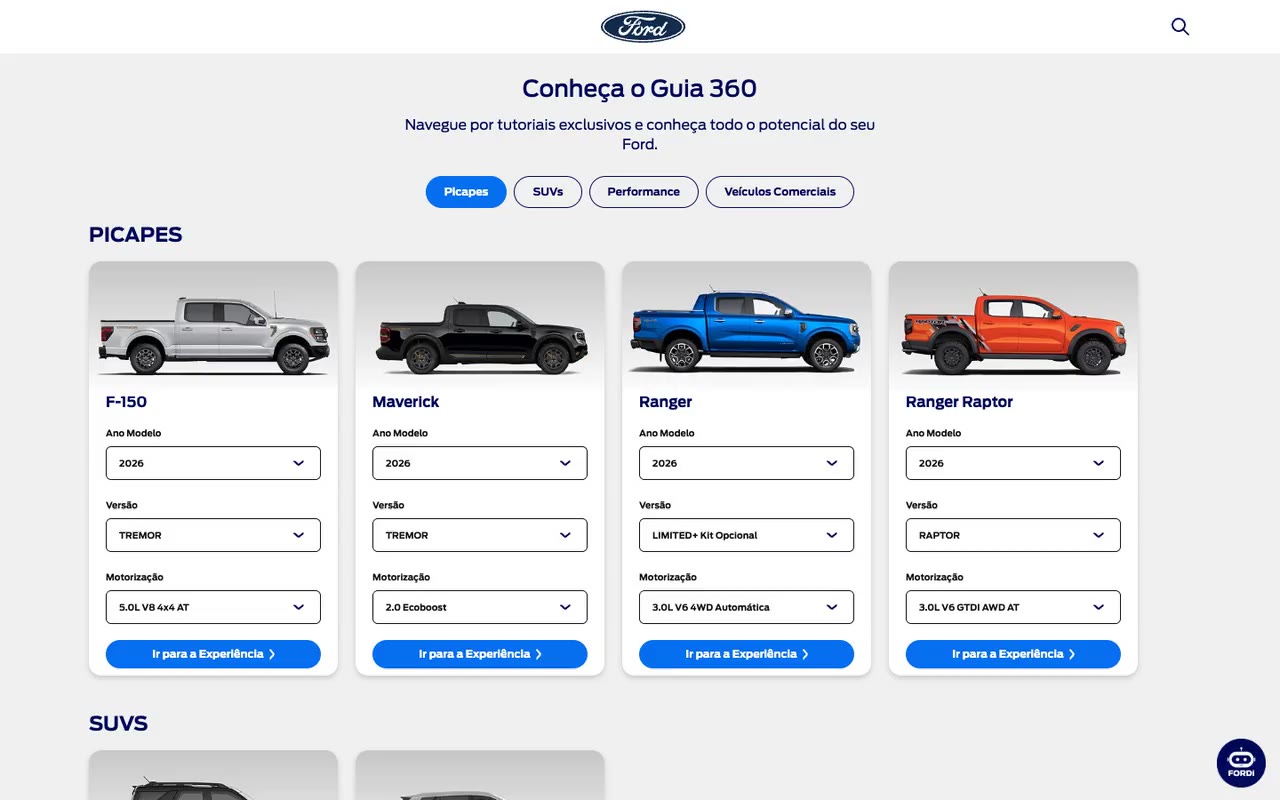
Product content for six countries. On the Ford 360 Guide, when an editor creates or updates a vehicle model, AI drafts the product copy and translates between Portuguese and Spanish. The editor reviews, adjusts and approves. Nothing is published without human sign-off, and every approval and every request cost is logged.
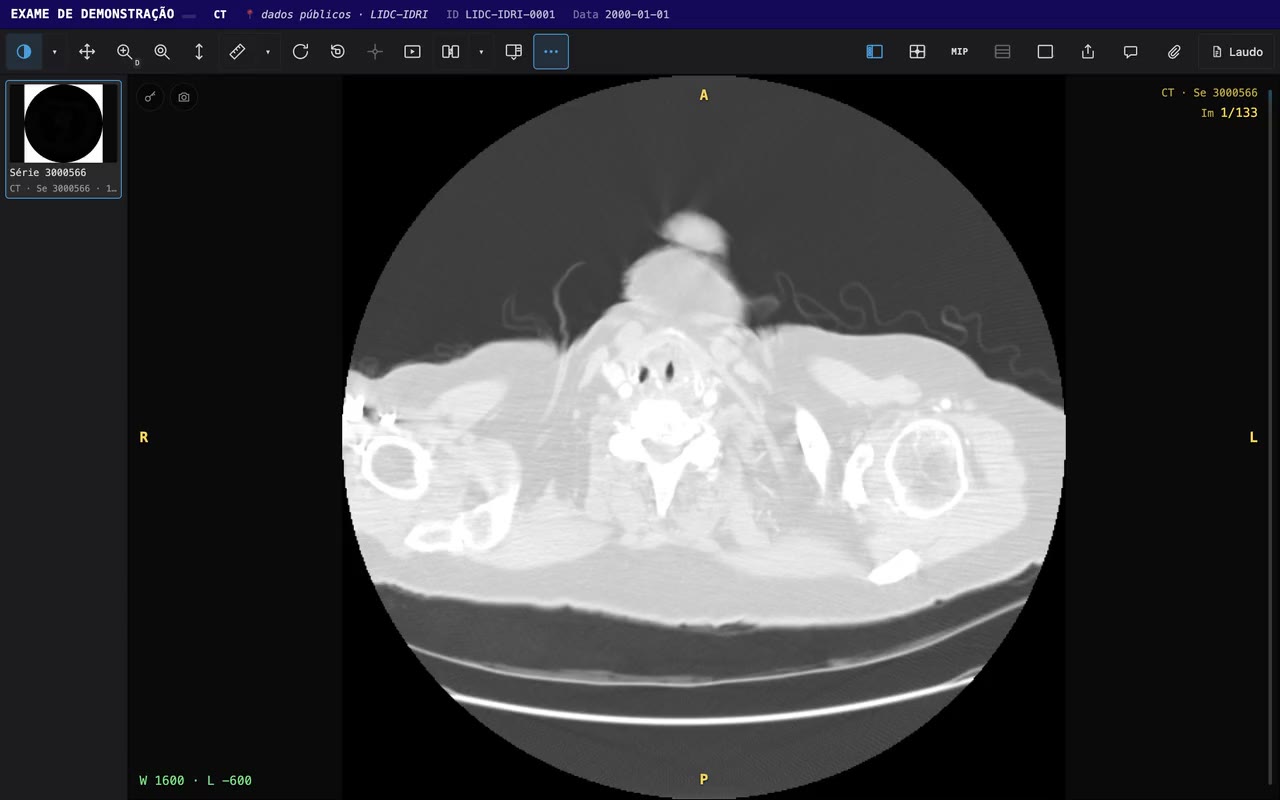
Checking reports before signature. On the OneLaudos teleradiology platform, an assistant reviews the report against its template before signature and points out what is missing or does not match. The radiologist reads the suggestions, decides and signs.
In both cases AI does the volume work and a person makes the decision. In healthcare and in brand content, that is where the line has to stay.
The same design applies to other areas. In each one there is work the agent does and a decision that stays with people.
| Area | What the agent does | What the person decides |
|---|---|---|
| Customer service | Answers on WhatsApp and email with data from your systems, opens and updates tickets | Sensitive complaints and policy exceptions |
| Finance | Reconciles payments, checks invoices and follows up on overdue ones | Discounts, refunds and out-of-pattern payments |
| Operations | Reads documents and reports, fills in your systems and tracks deadlines | Cases outside the protocol |
| Sales | Qualifies leads, prepares proposals and keeps the CRM up to date | Final price and negotiation |
| Engineering | Investigates production errors and proposes a fix with tests | Approving the fix before it ships |
When an agent is not the answer
Not every problem needs an agent. Be skeptical in four situations.
- The process has no rule. If two people in the company handle the same case differently and nobody can say which is right, an agent will automate the confusion. Define the rule first.
- The volume is low. A process that happens five times a month rarely pays for the integration.
- The data is not in any system. If the information lives in someone’s head or on paper, the work starts before the agent.
- A fixed script solves it. When the input is always the same and the rule is simple, automation without AI is cheaper and more predictable.
There is also the running cost. Every run uses model capacity and infrastructure. That number has to be measured from the first day, not discovered on the invoice.
How to put the first agent in production
Start with one process that is repetitive, digital and has a clear rule. The path we follow has five steps.
- Choose the process. We map the operation and look for work that repeats, takes hours and has a result you can measure. A good first candidate is one where a mistake is easy to notice and to undo.
- Connect the context. We connect the systems this process depends on, each with its own credentials and the least access it needs.
- Test with cases from the operation. Before launch, the agent runs through automated tests built from the company’s own cases, including the hard ones.
- Run with approval. At first the agent prepares and a person approves. Drafts before sends. As the results hold up, approval applies only to the exceptions.
- Measure and extend. We track correct results, exceptions and cost per run. Every failure becomes a new test. With the context already connected, the next process goes in faster.
What changes for people
The work of the people who used to execute becomes defining the rule, handling the exceptions and checking the result. It is a change of role, and it asks two things of a company.
The first is to write down how the work is done. A lot of business rules live only in the heads of people who have been in the job for years. An agent forces you to put them on paper, which helps the company even with no agent at all.
The second is to decide who builds. It makes no sense for each person to assemble and maintain their own agents on their own computer. A few people build and look after the shared processes, and everyone uses them. It is the same logic as any other company system.
What does not change is responsibility. An agent does not answer for a decision. The person who defined the rule and the person who approved the exception do, which is why the log of everything the agent did matters so much.
Where to start
If your company already uses AI in chats and wants to take the next step, start by choosing one process. See how we build AI agents connected to your operation, or begin with AI consulting, where we map the operation, set priorities and deliver an action plan. Or just tell us which process takes the most hours today.